Background
The Sierra Leone Local Content Act was established to promote the active participation of local businesses, entrepreneurs, and the workforce in key economic sectors, with the aim of reducing overdependence on imports, strengthening domestic value chains, and fostering inclusive economic growth.
RHINE AFRICA, operating through its GO+ supermarket and retail franchise model, presents a strategic opportunity for integrating local businesses into formal and modern retail markets. Through its expanding footprint, GO+ has the potential to absorb locally produced goods, support local suppliers, create employment, and enhance skills transfer, in alignment with local content objectives.
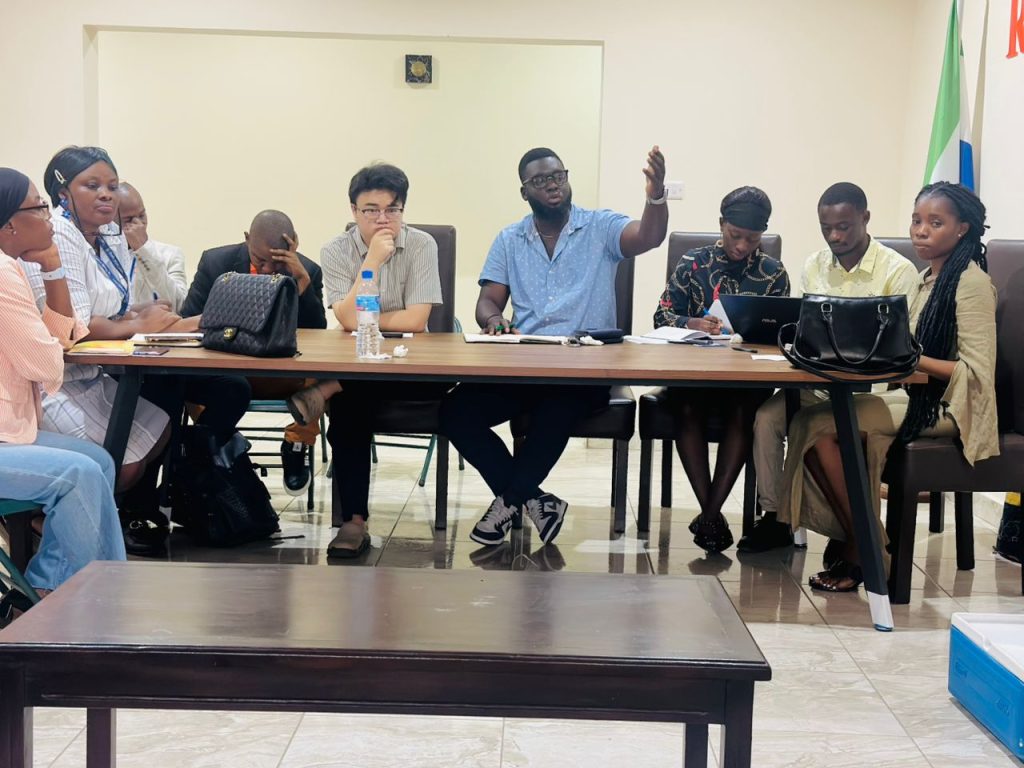
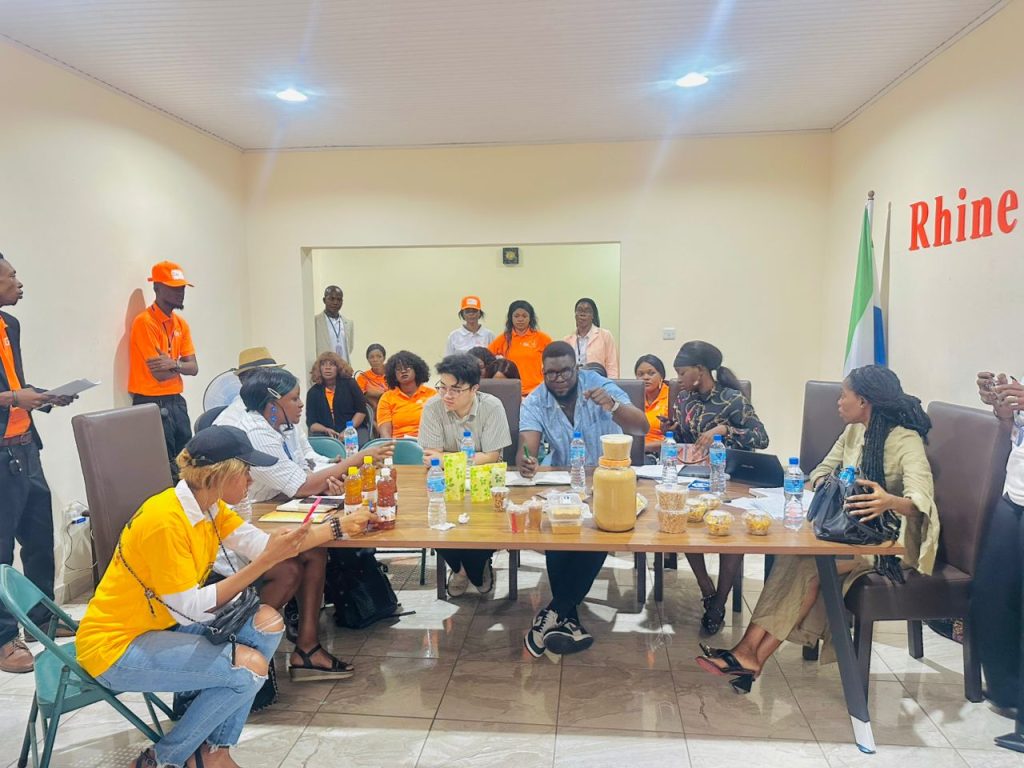
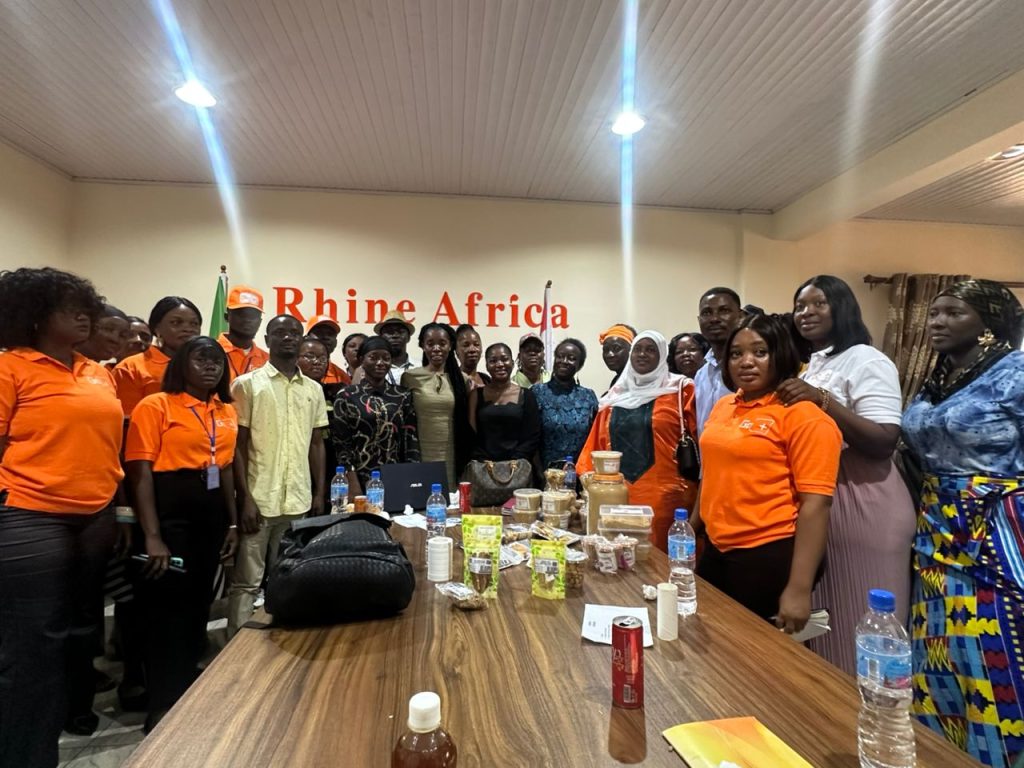
In this context, the Sierra Leone Local Content Agency (SLLCA), through its Business Development Department (BDD) and Skills Department, facilitated an engagement between GO+ representatives and a cross-section of registered local entrepreneurs.
Purpose and Objectives of the Engagement: The engagement was convened to create a structured platform for dialogue and collaboration between SLLCA entrepreneurs and RHINE AFRICA (GO+). The key objectives were to:
- Explore opportunities for franchise establishment as a pathway for local business participation.
- Assess potential business market linkages between GO+ and local suppliers.
- Examine alignment between GO+ operations and Sierra Leone’s Local Content Policy.
- Identify challenges affecting local suppliers, including packaging, standards, finance, and market access.
- Provide entrepreneurs with the opportunity to raise concerns and share practical experiences.
- Propose actionable recommendations to strengthen local content integration and partnerships.
Overview of Discussions: The engagement brought together representatives of RHINE AFRICA (GO+) and entrepreneurs registered with the SLLCA. Discussions focused on franchise opportunities, local sourcing, supply chain requirements, and mechanisms for improving the visibility and competitiveness of “Made in Sierra Leone” products within supermarkets, hotels, and restaurants.
GO+ outlined its franchise model, local sourcing potential, and plans for expansion, including provisions for bank loan facilitation through collateral assessment, collaboration with packaging companies, access to ceiling/packaging machines, and plans for an upcoming clothing factory. Local entrepreneurs actively shared concerns and expectations regarding fair market access, standards compliance, and institutional support.
Key Issues Raised by Local Entrepreneurs
- Operational Collaboration: Entrepreneurs requested clearer information on GO+’s operational framework and how collaboration with local suppliers would be structured to ensure efficiency and fairness.
- Packaging and Standards: Packaging was identified as a major constraint. Many local products struggle to meet supermarket requirements related to packaging quality, labeling, hygiene, and shelf life, affecting competitiveness and acceptance.
- Supply Assurance and Consistency: Entrepreneurs assured GO+ of their capacity to supply local products but emphasized the need for timely notifications on demand. Challenges remain in meeting consistent quantity requirements due to limited working capital and production capacity.
- Unfair Rejection of Local Products: Concerns were raised regarding alleged unfair rejection of local products by some supermarkets without clear justification. Entrepreneurs called on the Local Content Agency to investigate and protect local producers from reputational and financial harm.
- Monitoring of Supermarkets: Participants called for improved monitoring of supermarkets to ensure compliance with local content requirements, particularly the consistent stocking and visibility of “Made in Sierra Leone” products.
- Competition and Market Positioning: Clarification was sought on GO+’s strategy for competing with local shops, especially in light of public perceptions that supermarkets are more expensive.
- Access to Local Products in the Hospitality Sector: Entrepreneurs highlighted limited access to local products in hotels and restaurants and recommended mandatory “Made in Sierra Leone” shelves within hospitality establishments.
Opportunities Identified: The engagement highlighted significant opportunities for local businesses, including:
- Supplying locally produced food items, household goods, and packaged products to GO+ outlets.
- Participation as franchise owners, distributors, or service providers within the GO+ value chain.
- Increased product visibility, income stability, and employment generation through formal retail markets.
- Skills transfer and business growth supported by structured retail systems and partnerships.
Challenges Affecting Effective Market Linkages
Despite the opportunities, several challenges were identified:
- Inadequate packaging, labeling, and quality control among local suppliers.
- Inconsistent supply volumes and limited production scalability.
- Limited access to finance and working capital.
- Weak storage, transportation, and cold-chain infrastructure.
- Insufficient awareness of GO+ procurement standards and requirements.
Recommendations: To strengthen collaboration and local content integration, the following actions are recommended:
- Conduct targeted training for local suppliers on quality standards, packaging, food safety, and inventory management.
- Establish a structured local sourcing framework within GO+ that prioritizes qualified Sierra Leonean suppliers.
- Strengthen collaboration between GO+ and the SLLCA for supplier registration, certification, and matchmaking.
- Facilitate access to finance through partnerships with banks and development programs.
- Improve communication of procurement needs, standards, and opportunities to local businesses.
- Enhance SLLCA monitoring of supermarkets and hospitality establishments to ensure compliance with local content requirements.
Conclusion: The engagement with RHINE AFRICA (GO+) demonstrated strong potential for building sustainable business market linkages between modern retail operations and local enterprises in Sierra Leone. When effectively aligned with the Local Content Agency’s mandate, these partnerships can promote domestic production, strengthen SMEs, create jobs, and contribute to inclusive economic growth. However, realizing these benefits will require deliberate efforts to address challenges related to quality standards, financing, logistics, and supplier capacity. Continued collaboration among GO+, local businesses, and government institutions remains critical to achieving long-term and sustainable outcomes.